Discover what every light color does and what results to realistically expect from consistent light therapy sessions.
Talk to anyone in India today about skincare and you are certain to hear about LED light therapy masks. From dermatology consultation rooms in Mumbai to self-care habits in Bengaluru, the glowing silicone mask has been the most discussed innovation in contemporary skincare.
However, with all the hype about it, the logical question would be, "What are the actual benefits of LED masks, and is at-home light therapy worth attempting?"
The answer is yes, and there is science behind it. The LED mask benefits include minimizing acne and cleaning up breakouts, physically smoothing fine lines, and returning a much-desired healthy glow.
Every color of light penetrates your skin at a varying depth and stimulates certain biological processes that cannot be completely emulated by any cream or serum.
This guide will de-jumble all the information that you need to know, including how light therapy masks work, what color of light treats which skin issue, how often you can use one at home, and what outcomes you can expect within a certain time.
Quick Tip
The Manimo 4D LED Light Therapy Mask features 9 light modes including red, blue, infrared, and more, making it one of the most versatile at-home LED face masks available in India today.
How Does an LED Face Mask Actually Work?
LED is an abbreviation of Light Emitting Diode. A face mask LED light is a mask that produces a certain wavelength of light, in nanometers (nm) which penetrates the skin to different depths to stimulate natural cellular processes. This treatment is also known as photobiomodulation or low-level light therapy (LLLT).
Light energy reaching your skin cells is absorbed by the organelles within each cell, known as the mitochondria, the energy-producing organelles. This absorption enhances the generation of cells energy, which subsequently enhances the speed of skin repair, stimulates collagen production, decreases inflammation, and has an overall effect of revitalizing the skin. Imagine it as providing your skin cells with an intended charge.
The different wavelengths penetrate at varying depths. The blue light, e.g., stimulates the highest layer of skin which is the habitat of the bacteria that cause acne. The red light penetrates further into the dermis where collagen and elastin are synthesized. Near-infrared light penetrates deeper to muscle tissue and aids in recovery on a deeper level. This is the multi-level that makes multi-mode LED face masks so successful.
Did You Know?
According to the Cleveland Clinic, LED light therapy is a non-invasive, pain-free treatment that works by stimulating skin cells to repair and renew themselves more efficiently. It has been used in professional dermatology settings for decades.
To understand the science behind red light therapy in greater depth, read our detailed breakdown on how red light therapy works .
LED Mask Light Colors and Their Benefits: A Mode-by-Mode Breakdown
Not all light is created equal. Every wavelength in an LED light therapy mask serves a distinct purpose. Here is a comprehensive look at what each color does and which skin concerns it addresses.
Red Light (630nm): The Anti-Aging Powerhouse
Red light penetrates into the dermis and stimulates fibroblast activity, helping boost collagen and elastin production for firmer, smoother skin.
Near-Infrared Light (850nm): Deep Tissue Repair
Near-infrared light reaches deeper skin layers and muscle tissue to support healing, firmness, inflammation reduction, and skin recovery.
Blue Light (465nm): The Acne Specialist
Blue light targets acne-causing bacteria and helps regulate excess oil production, making it ideal for acne-prone skin.
Green Light (520nm): Pigmentation & Even Tone
Green light helps reduce pigmentation, dark spots, and uneven skin tone while supporting a brighter complexion.
Yellow Light (590nm): Brightening & Redness Reduction
Yellow light helps calm redness, sensitivity, and dullness while giving skin a brighter, refreshed glow.
Indigo Light (560nm): Cell Energy Boost
Indigo light enhances cellular energy and skin metabolism, helping tired and dull-looking skin appear fresher and healthier.
LED Mask for Acne: What You Need to Know
Acne is one of the most common skin concerns in India, affecting people of all ages. The combination of pollution, humidity, hormonal fluctuations, and high-glycemic diets makes breakout management a constant challenge for millions. LED masks offer a non-chemical, non-invasive solution that works on both active breakouts and preventive maintenance.
Blue light therapy kills acne-causing bacteria on and just beneath the skin's surface. It reduces the bacterial load significantly, which means fewer new breakouts forming in the first place. When used consistently, a blue light therapy mask for acne can lead to a measurable reduction in active lesions within four to six weeks.
Red light, used alongside blue, reduces post-acne inflammation and speeds up the healing of existing blemishes. This dual-mode approach means you are not just treating what is currently on your skin but actively preventing future breakouts while healing existing ones.
Unlike topical treatments such as benzoyl peroxide or salicylic acid, LED light therapy carries no risk of skin dryness, peeling, or irritation. It is safe for daily or near-daily use and suitable for sensitive skin types.
Important: LED light therapy works best for mild to moderate acne. Severe or cystic acne should always be evaluated by a dermatologist, as it may require additional prescription-based treatment.
LED Mask for Anti-Aging: How It Turns Back the Clock
One of the most celebrated LED face mask benefits is its ability to slow and visibly reverse the signs of aging. As we age, collagen and elastin production naturally decline, leading to sagging, fine lines, wrinkles, and loss of firmness. LED light therapy directly addresses this biological process.
Red light at 630nm stimulates fibroblasts to produce more collagen. Near-infrared light at 850nm works at a deeper level to firm the skin from within. Together, these two wavelengths create a powerful anti-aging protocol that rival expensive clinic treatments.
Studies have shown that consistent red light therapy can improve skin roughness, reduce wrinkle depth, and increase intradermal collagen density. Users typically start noticing improved texture within three to four weeks, with more significant changes in firmness and line reduction appearing between eight and twelve weeks of regular use.
The beauty of at-home LED therapy for anti-aging is that results are cumulative. The longer and more consistently you use the device, the more collagen your skin produces, and the more sustained the improvements become. This is not a one-time fix but a long-term skin investment.
Discover the full spectrum of anti-aging technology available in the Manimo 4D LED Light Therapy Mask, designed with 9 professional-grade light modes.
More LED Mask Benefits Worth Knowing
Beyond acne treatment and anti-aging, LED face mask benefits extend to a wide range of skin concerns that affect everyday Indians.
Reduced Pigmentation and Dark Spots
Sun exposure is one of the leading causes of pigmentation and dark spots for people in India. Green light therapy targets melanin-producing cells and can gradually lighten hyperpigmentation, age spots, and post-inflammatory marks left by acne. Combined with a broad-spectrum SPF during the day, green light therapy can deliver meaningful and lasting tone correction.
Improved Skin Texture and Radiance
Regular LED light therapy sessions enhance skin metabolism and increase cell turnover. This results in smoother skin texture, fewer rough patches, and a visibly more radiant complexion. Many users describe their skin as looking well-rested and glowing after just a few weeks of consistent use.
Reduced Redness and Inflammation
Whether from rosacea, sensitivity, or general irritation, unwanted redness can make skin look uneven and stressed. Yellow and red light modes are both effective at calming inflammation at a cellular level, reducing visible redness without the side effects of topical anti-inflammatory treatments.
Faster Skin Healing
Red and near-infrared light have been used in wound healing research since NASA began studying their effects in the 1990s. These wavelengths accelerate the skin's natural repair cycle, making them valuable for post-procedure recovery, sunburn healing, and even minimising the duration of acne marks.
Better Product Absorption
LED light therapy improves micro-circulation and opens skin channels at a cellular level. When you apply serums and moisturisers immediately after a session, the skin is primed to absorb active ingredients more deeply and effectively. This means your existing skincare products work harder when paired with LED therapy.
How Often Should You Use an LED Face Mask?
Consistency is the single most important factor in getting the best results from LED light therapy at home. Unlike many skincare treatments where more is not always better, LED therapy is gentle enough for frequent use.
For most skin concerns, using an LED mask three to four times per week for sessions of 15 to 20 minutes each delivers optimal results. This frequency provides enough cumulative light exposure to drive cellular change without overstimulating the skin.
During the first four weeks, some users prefer daily use to kick-start the treatment phase. After that, maintaining three to four sessions per week sustains and builds upon those initial gains.
For acne management, daily short sessions of 10 to 15 minutes using blue light can be particularly effective during a breakout. For anti-aging goals, a consistent schedule of red and near-infrared therapy three times weekly over eight to twelve weeks delivers the most noticeable firmness and fine line improvement.
Learn more about building a complete smart skincare routine in our post on the future of skincare and smart technology in 2025.
Are LED Face Masks Safe? What to Know Before You Start
LED light therapy is widely regarded as one of the safest skincare technologies available, both in clinical and at-home settings. It is non-invasive, non-thermal, and does not cause DNA damage the way UV light does.
That said, there are a few safety considerations to keep in mind.
Eye protection matters, particularly with blue light, which sits close to the UV spectrum. Many quality LED masks include integrated eye shielding or recommend wearing protective goggles during sessions.
Avoid using the mask on open wounds, active severe inflammation, or broken skin. Wait until the skin has healed before resuming sessions.
People with photosensitivity disorders or those taking medications that increase light sensitivity (certain antibiotics, isotretinoin, or photosensitising topicals) should consult a dermatologist before beginning LED therapy.
Pregnant women are generally advised to avoid LED face masks, particularly high-intensity models, until more safety data is available for this group.
Always follow the manufacturer's usage guidelines. More is not always better, and exceeding recommended session lengths does not accelerate results.
For Indian skin specifically, LED light therapy is a particularly safe and suitable option because it does not involve harsh chemicals, acids, or physical abrasion. It works with the skin's natural biology rather than against it.
For the full perspective on how LED masks can transform Indian skin, read The Truth About LED Face Masks: Can They Really Transform Your Skin.
Frequently Asked Questions About LED Mask Benefits
How long does it take to see results from an LED face mask?
+
Most users begin noticing improved skin texture and a subtle glow within the first two to three weeks of consistent use. More significant changes in acne frequency, pigmentation, and fine line appearance are typically visible between weeks four and eight. Anti-aging benefits related to collagen remodelling are most profound after ten to twelve weeks of regular sessions.
Can I use an LED face mask every day?
+
Yes, most quality LED face masks including the Manimo 4D model are safe for daily use. However, for optimal and sustainable results, three to four sessions per week of 15 to 20 minutes each is the most widely recommended protocol. Daily use is particularly helpful during an active breakout phase when using blue light mode.
Which LED light color is best for acne?
+
Blue light at 465nm is the most effective wavelength for targeting acne-causing bacteria (P. acnes) at the skin's surface. For comprehensive acne treatment, combining blue light with red light is recommended. The blue light clears bacteria while the red light reduces post-breakout inflammation and accelerates healing.
Are at-home LED masks as effective as clinic treatments?
+
Clinical LED devices are generally more powerful, but at-home LED masks offer a significant advantage: consistency. Using an at-home mask three to four times per week over several months delivers cumulative results that can rival the effect of infrequent clinic sessions. The key differentiator is how regularly you use it.
Is LED light therapy safe for Indian skin?
+
Yes. LED light therapy is safe for all skin tones, including deeper Indian complexions. Unlike certain laser treatments that carry a risk of post-inflammatory hyperpigmentation on darker skin tones, LED light therapy does not heat the skin or cause pigmentation. It is non-ablative, non-chemical, and non-invasive.
Can I use an LED mask if I have sensitive skin?
+
Absolutely. LED light therapy is one of the few skincare technologies that is genuinely suitable for sensitive skin. The Manimo 4D mask is made from food-grade silicone and features adjustable intensity settings, so you can start at a lower level and gradually increase as your skin adapts.
What should I apply on my face after an LED session?
+
After an LED mask session, your skin is primed for optimal product absorption. Apply your vitamin C serum, hyaluronic acid, retinol, or any active treatment serum immediately after the session, followed by your regular moisturiser. Avoid anything with harsh acids or strong active concentrations if you are new to LED therapy.
Final Thoughts: Are LED Mask Benefits Worth It?
The evidence is clear. LED mask benefits are real, scientifically validated, and accessible to anyone who commits to consistent use. Whether you are battling acne, working to slow the aging process, evening out pigmentation, or simply wanting healthier, more radiant skin, an at-home LED face mask is one of the smartest investments you can make in your long-term skin health.
The key is choosing a device that delivers clinically credible wavelengths, adequate LED density, comfort for sustained wear, and safety credentials you can trust. In the Indian market, the Manimo 4D LED Light Therapy Mask checks every one of those boxes, and then some.
Start with three sessions per week, choose your light modes based on your primary skin concern, and stay consistent. Results are not instant, but they are real. Your skin ten weeks from now will thank you for starting today.
Explore the Manimo 4D LED Light Therapy Mask
Discover more smart skincare devices in the Manimo Skincare Collection designed for modern Indian skin and lifestyle.
Further Reading from Manimo
The Manimo 4D LED Light Therapy Mask – Product page with full specifications, reviews, and purchase options.
The Truth About LED Face Masks: Can They Really Transform Your Skin? – A detailed look at how LED therapy changes skin from within.
Red Light Therapy: How It Works – Deep dive into the science of red light and near-infrared therapy.
Manimo Skincare Collection – Explore all smart skincare devices from Manimo.
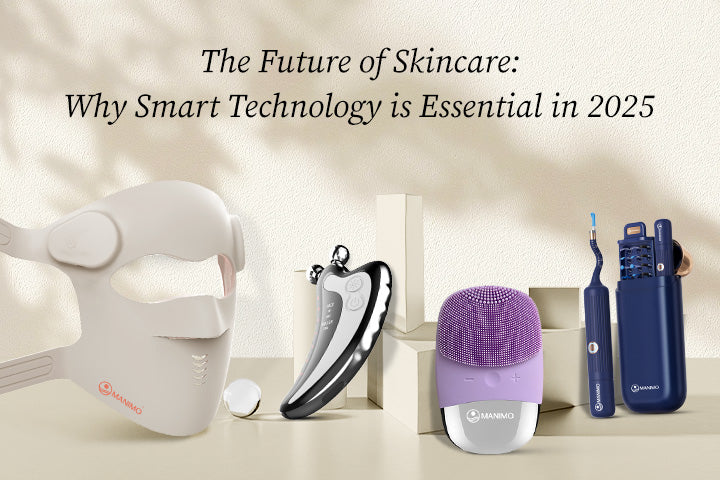
The Future of Skincare: Why Smart Technology Is Essential in 2025 – How technology is reshaping modern skincare routines.